QCU Strengthens Commitment to Sustainable Development Through Participation in 2026 Luzon Regional Scientific Meeting
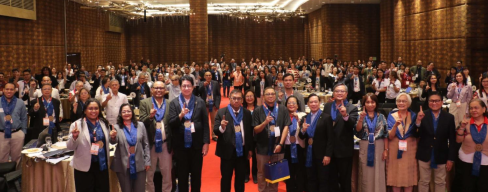
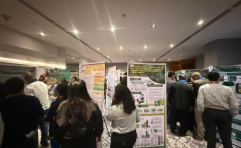
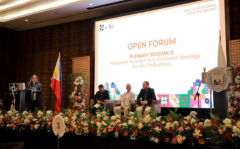
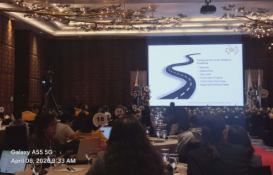
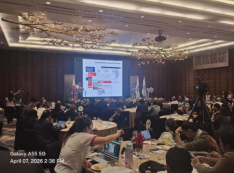
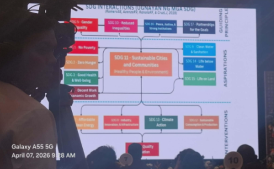
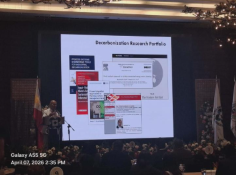
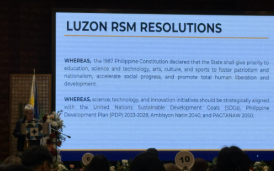
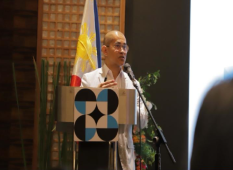
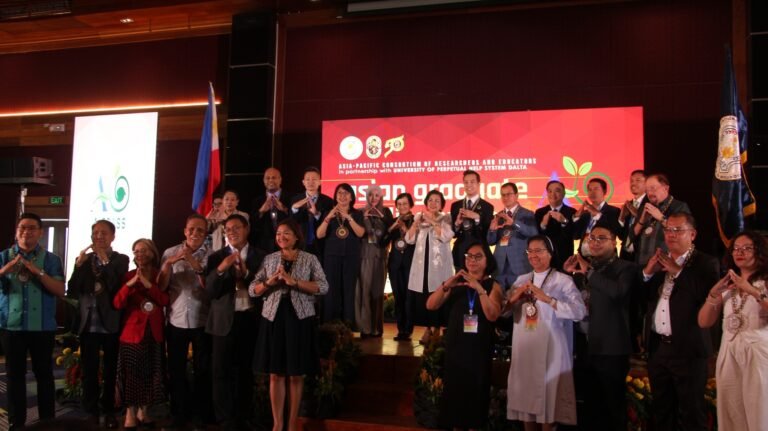
Quezon City University (QCU) reinforced its commitment to science-driven sustainability and innovation through its participation in the 2026 Luzon Regional Scientific Meeting (LRSM) held on April 7–8, 2026 at the Acacia Hotel Manila in Alabang, Muntinlupa.
Organized by the National Academy of Science and Technology, Philippines (NAST PHL) in partnership with the DOST Luzon Cluster led by the Department of Science and Technology – National Capital Region, the conference served as the first leg of the 2026 Regional Scientific Meetings series. The gathering brought together scientists, researchers, policymakers, industry leaders, and development stakeholders from across Luzon to discuss science, technology, and innovation (STI) as drivers of sustainable development.
Anchored on the theme, “UN SDGs: Science, Technology, and Innovation for Sustainable Development,” the meeting focused on assessing Luzon’s progress toward achieving the United Nations Sustainable Development Goals (SDGs) and identifying practical, science-based strategies that can accelerate sustainability initiatives across sectors.
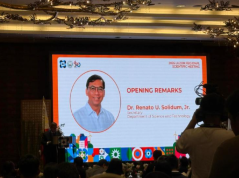
Among the key personalities present during the opening ceremonies were Dr. Renato U. Solidum Jr., Engr. Sancho A. Mabborang, Dr. Napoleon K. Juanillo Jr., ACD. Jaime C. Montoya, and Michael O. Sinocruz. Their participation highlighted the importance of evidence-based policymaking and inter-agency collaboration in addressing national and regional sustainability challenges.
One of the major discussions during the conference centered on the current status of SDG implementation in Luzon and the critical role of STI in advancing regional development goals. Speakers emphasized the need for stronger data-driven interventions, improved local implementation capacity, enhanced stakeholder coordination, and sustained monitoring mechanisms to ensure meaningful progress toward the 2030 SDG commitments.
The meeting also underscored the growing role of higher education institutions in advancing sustainability agendas. Discussions highlighted the importance of integrating SDGs into institutional planning through baseline assessments, SMART target-setting, capacity-building initiatives, and continuous evaluation frameworks. These insights are especially relevant for universities seeking to embed sustainability into academic programs, research, extension initiatives, governance, and campus operations.
Sessions on smart and sustainable communities, smart agriculture initiatives such as SARAI, innovation ecosystems in ecozones, mobility solutions, and STI-driven regional development programs demonstrated how research and technology can be translated into practical community-based solutions.
Research presentations on industrial decarbonization and carbon management further demonstrated how advanced technologies, including artificial intelligence and process systems engineering, are helping support low-carbon transitions in both policy and industry.
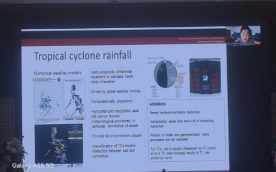
Another major highlight was the plenary session on AI-based prediction systems for climate-related disasters. Experts discussed how predictive modeling and artificial intelligence can strengthen disaster preparedness, early warning systems, and disaster risk reduction management frameworks. The session emphasized the need to combine scientific modeling, robust data systems, and AI technologies to improve resilience against climate-related hazards, particularly tropical cyclones and extreme rainfall events.
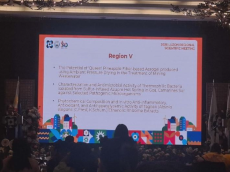
The conference concluded with the presentation of four science-based policy recommendations aimed at accelerating SDG achievement. These included integrating passive cooling strategies into national building codes and land use plans, establishing a legally binding national net-zero target, strengthening legislative and fiscal support for research and development, and institutionalizing AI-assisted early warning systems within national and local disaster risk reduction frameworks.
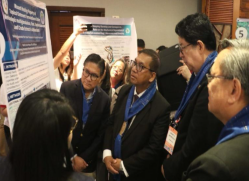
The event also featured the awarding of Best Scientific Posters and the ceremonial turnover to the host region of the 2027 Luzon Regional Scientific Meeting, which will be held in the Ilocos Region.
Through its participation in the 2026 LRSM, QCU continues to strengthen its engagement in science-based sustainability initiatives and reinforces its commitment to supporting the achievement of the United Nations Sustainable Development Goals through research, innovation, and community-centered development.
#1QCU
#QCURISE
#QCUWeRISEtogether