QCU Measures and Monitors Food Waste Through Its Rotary Composter Initiative in 2025
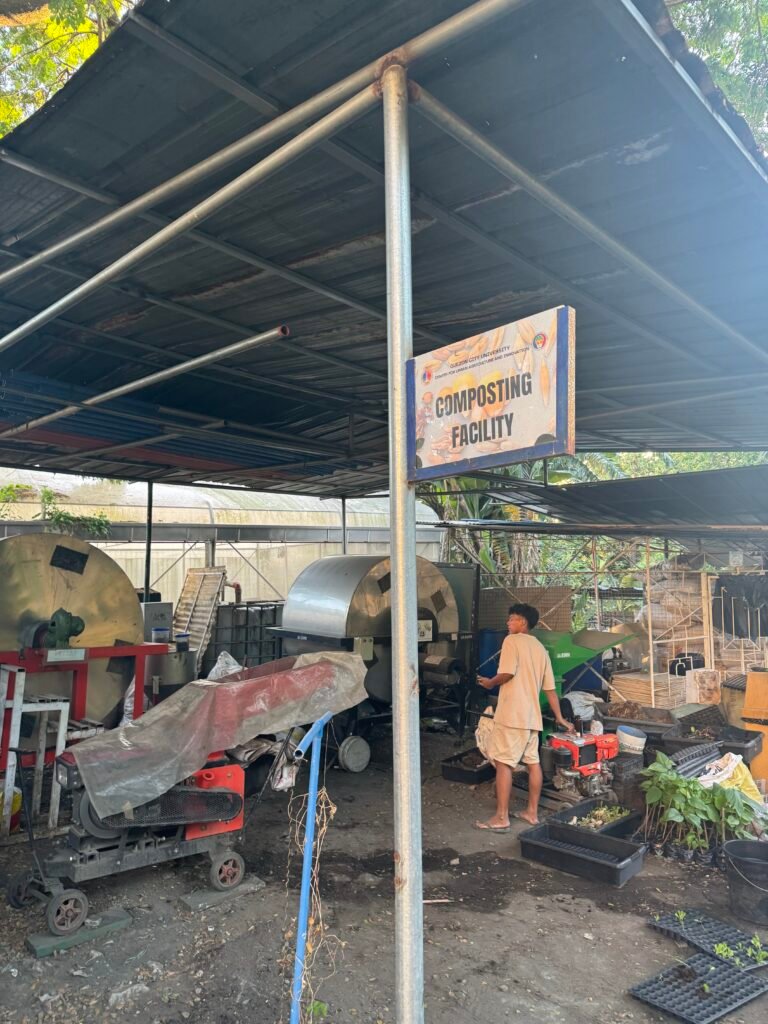
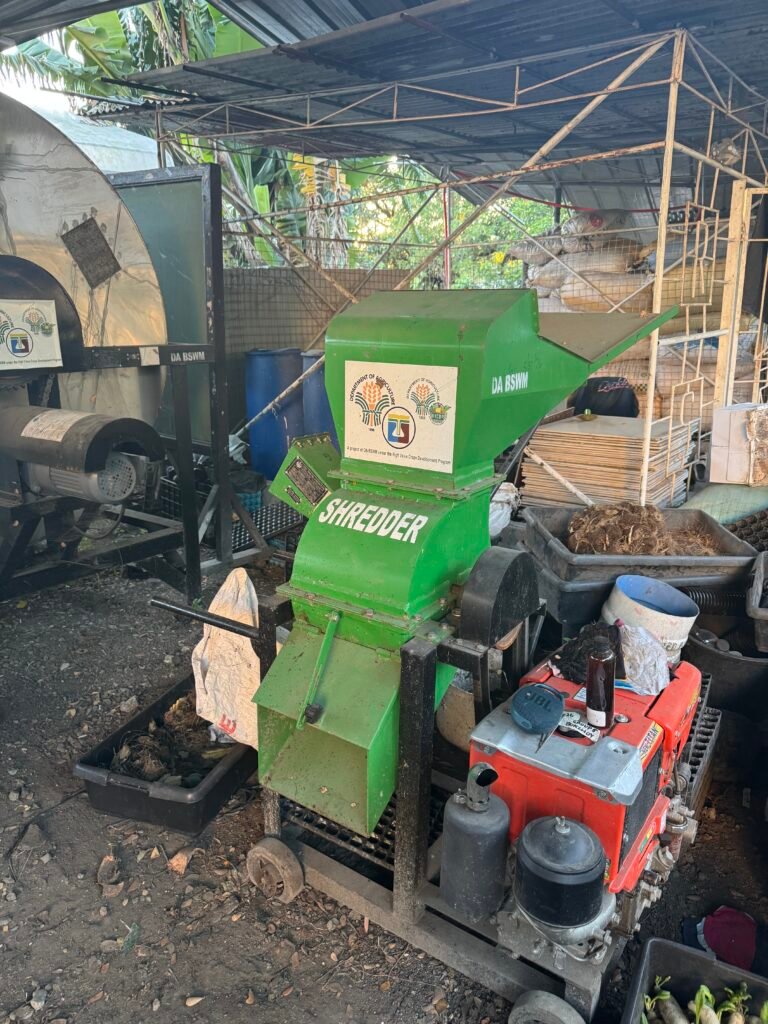
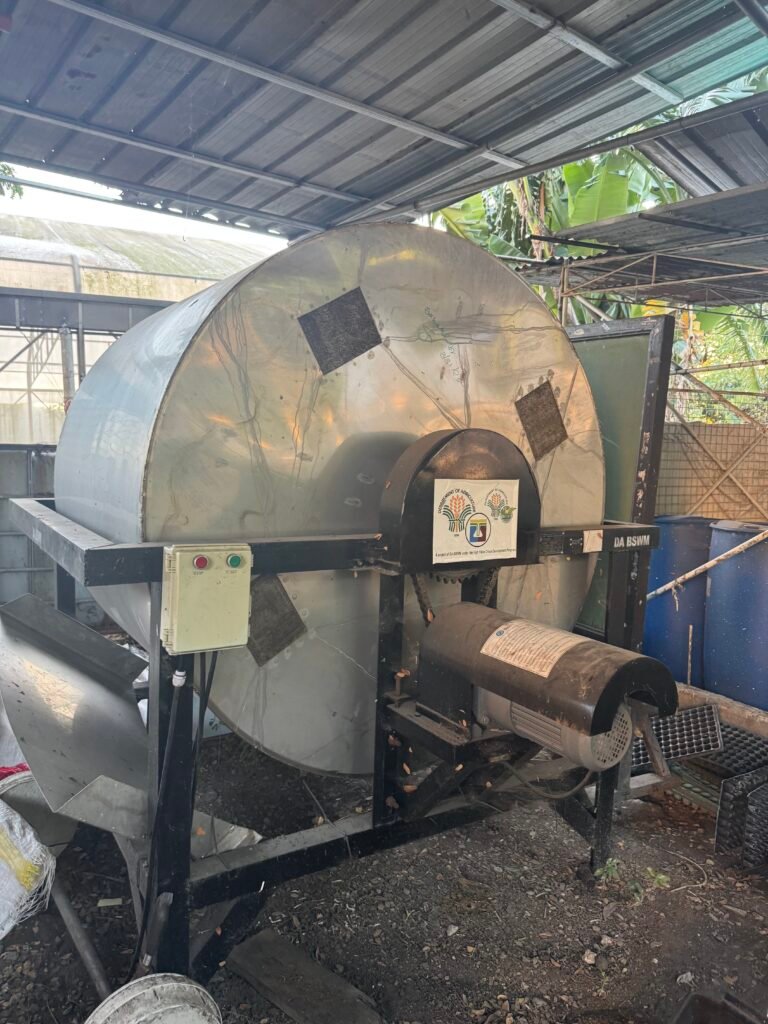
Quezon City University (QCU) monitors and documents the volume of organic and biodegradable waste processed through its Rotary Composter as part of its commitment to sustainable waste management and environmental responsibility.
Through the Quezon City University Center for Urban Agriculture and Innovation (QCU-CUAI), the university records the types and quantities of materials processed, including kitchen waste, market waste, agricultural waste, animal manure, and banana stalks. Its monitoring records include the weight of materials processed, dates of operation, processing duration, and quantity of compost harvested.
From May to November 2025, QCU documented seven composting operations, processing the collected 3,430 kilograms of organic and biodegradable materials. Each operation involved approximately eight hours of daily processing. The university successfully produced 2,812 kilograms of compost from these operations, which was directed to the QCU-CUAI Farm to support its urban agriculture activities. The inclusion of kitchen waste in the recorded materials demonstrates that food-related waste forms part of the university’s waste monitoring and recovery efforts.
Through systematic measurement and documentation, QCU tracks the volume of biodegradable materials processed and transforms these into useful resources instead of allowing them to go to waste. This initiative reflects QCU’s commitment to a circular approach to resource management, where organic waste is converted into compost that supports soil enrichment and sustainable urban farming. Through its 2025 Rotary Composter operations, QCU demonstrates how waste measurement, documentation, and resource recovery can contribute to a more sustainable university environment.
#QCU
#QCU1
#IbangKlasesaQCU
#QCURise
#SDG