QCU holds HEIx Roundtable at IRISE 2025
By Lorraine Acaylar
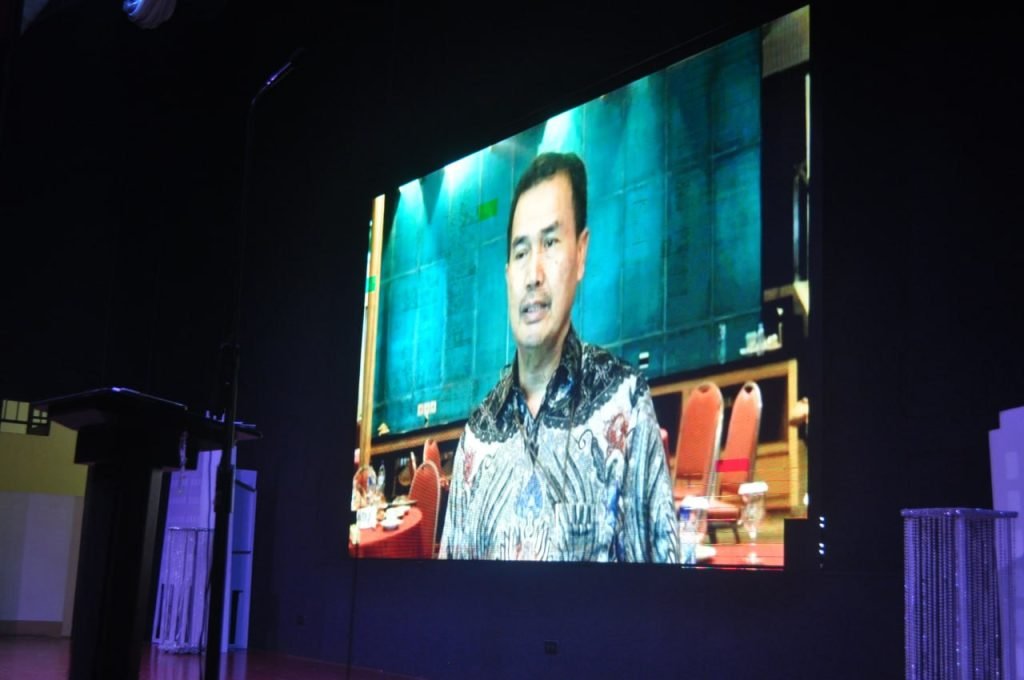
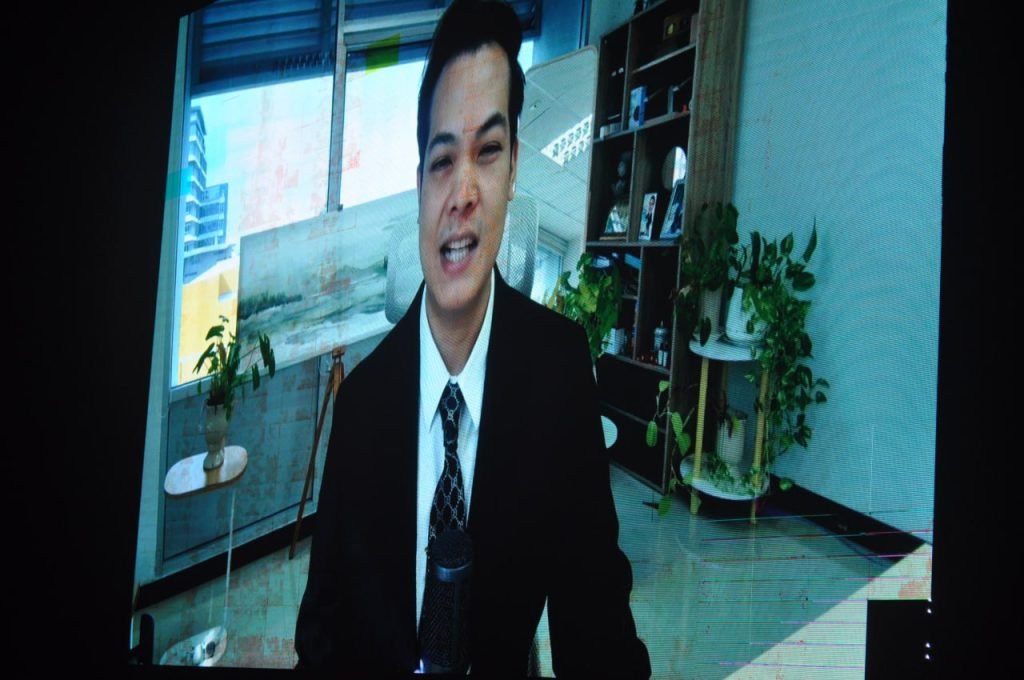
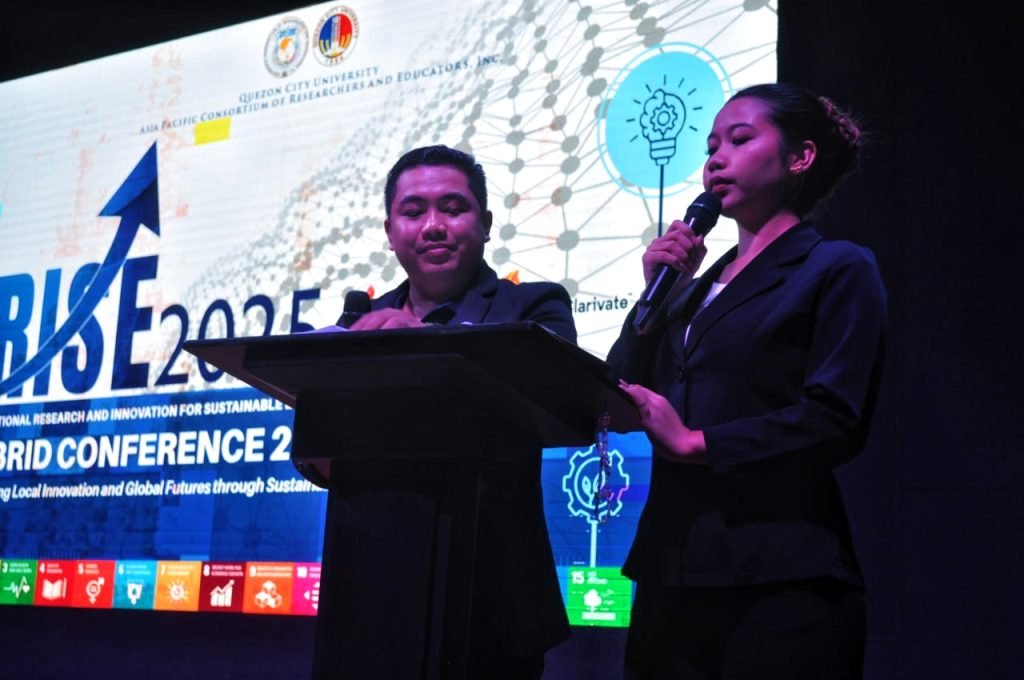
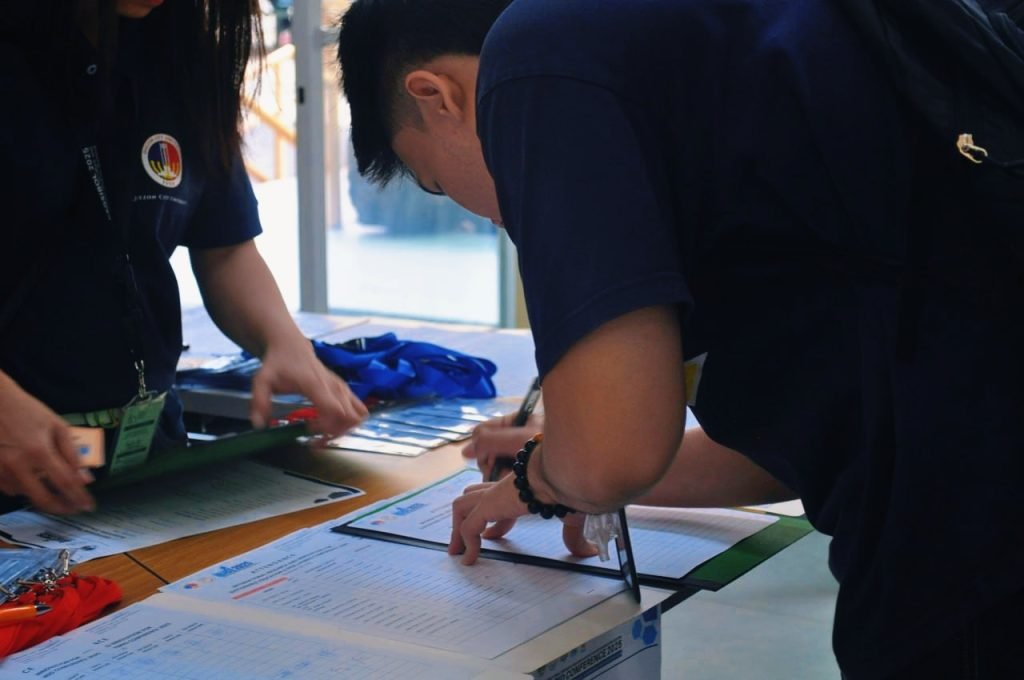
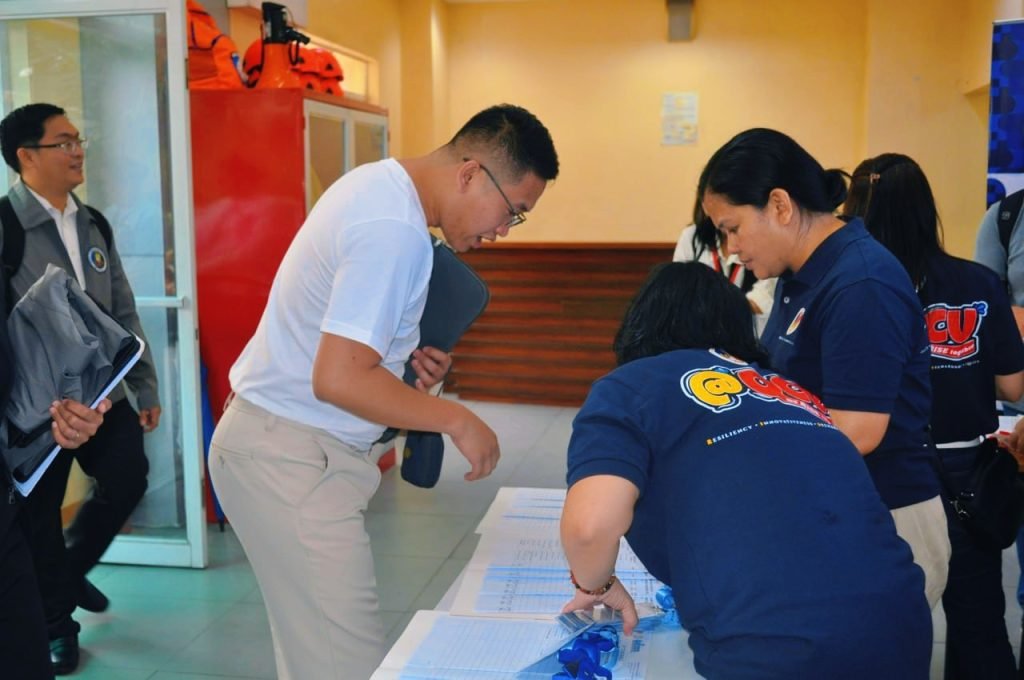
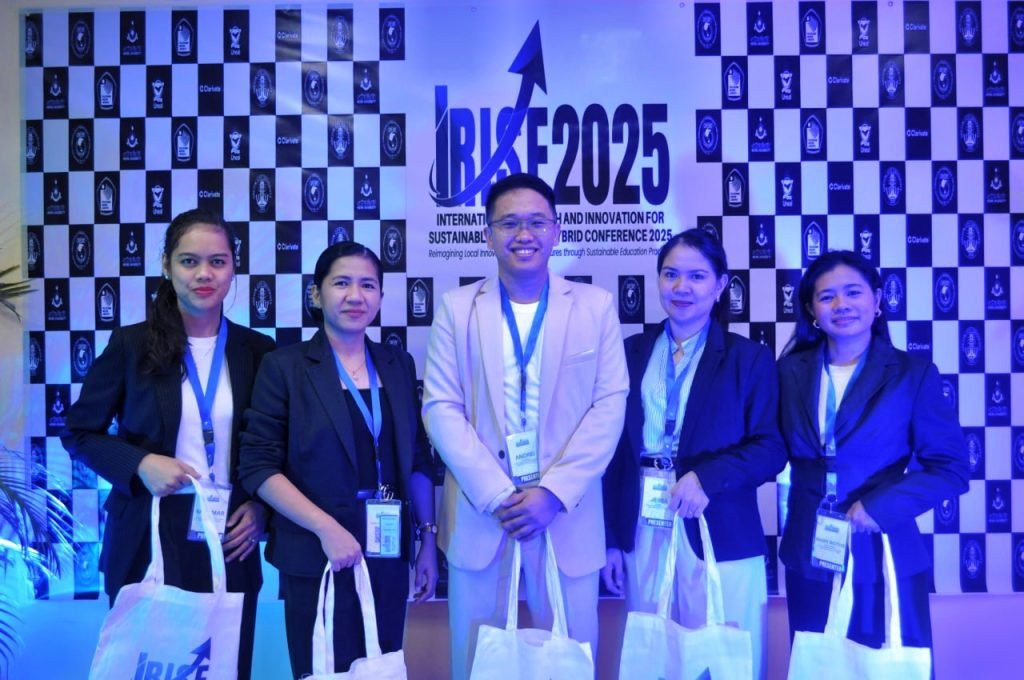
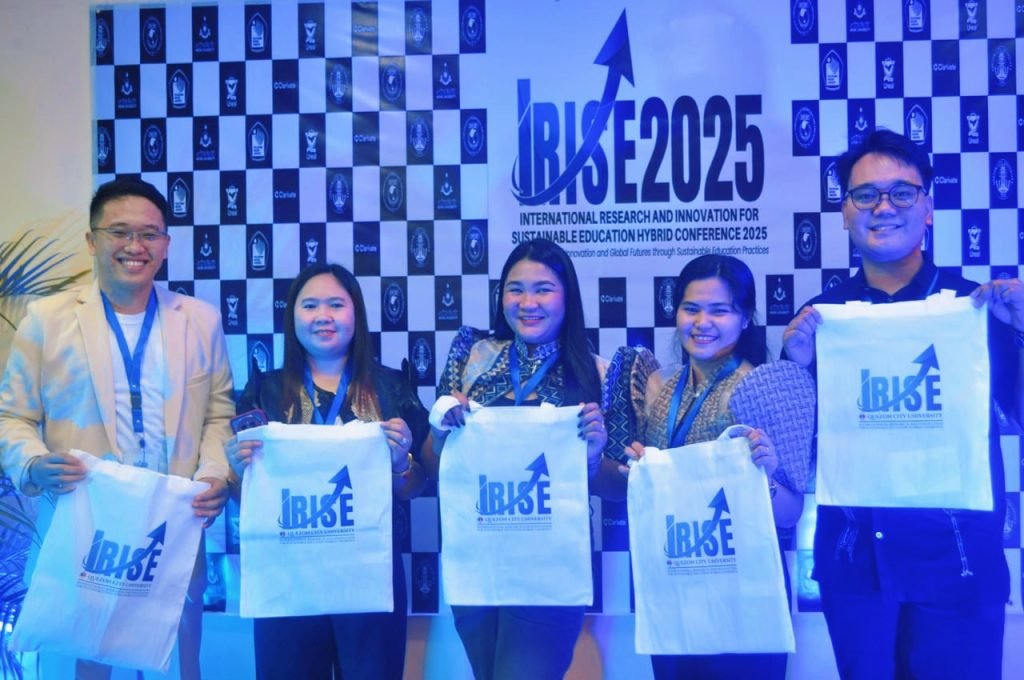

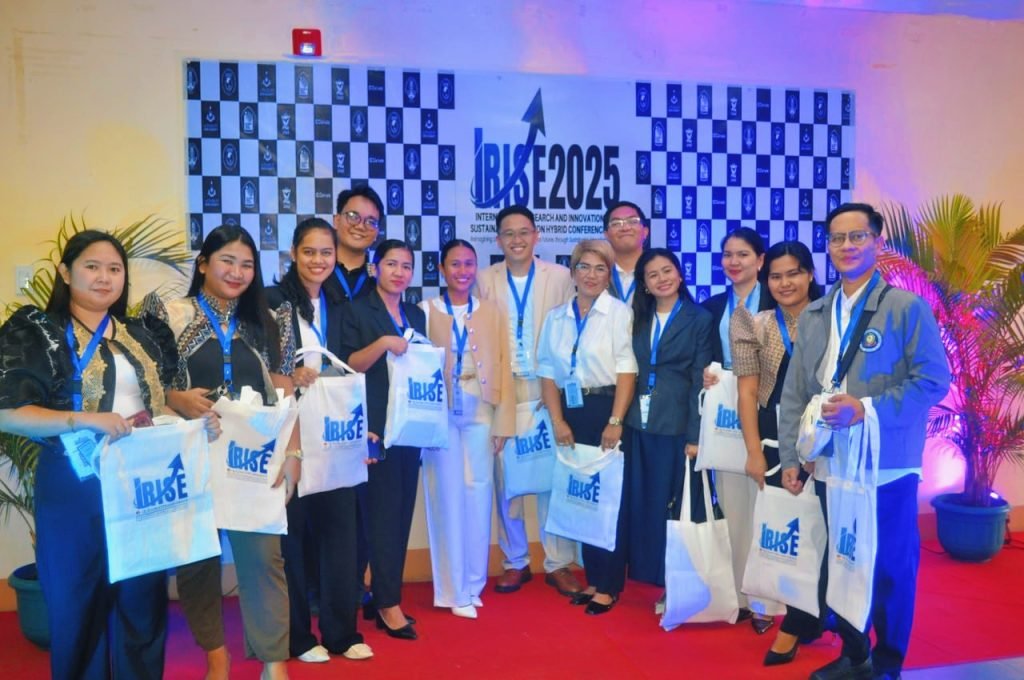
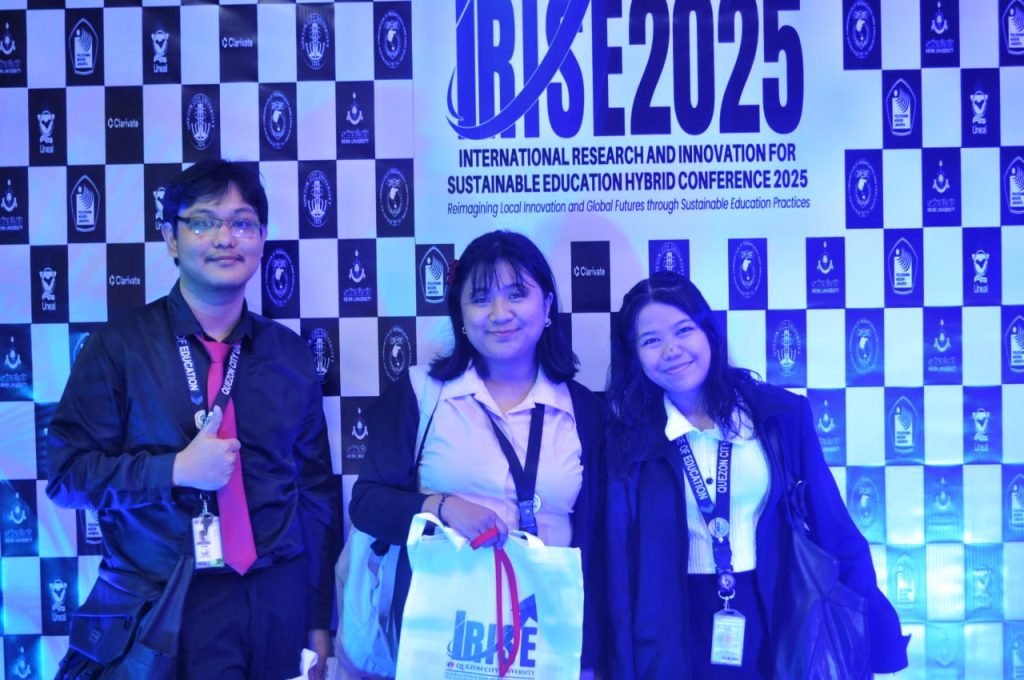


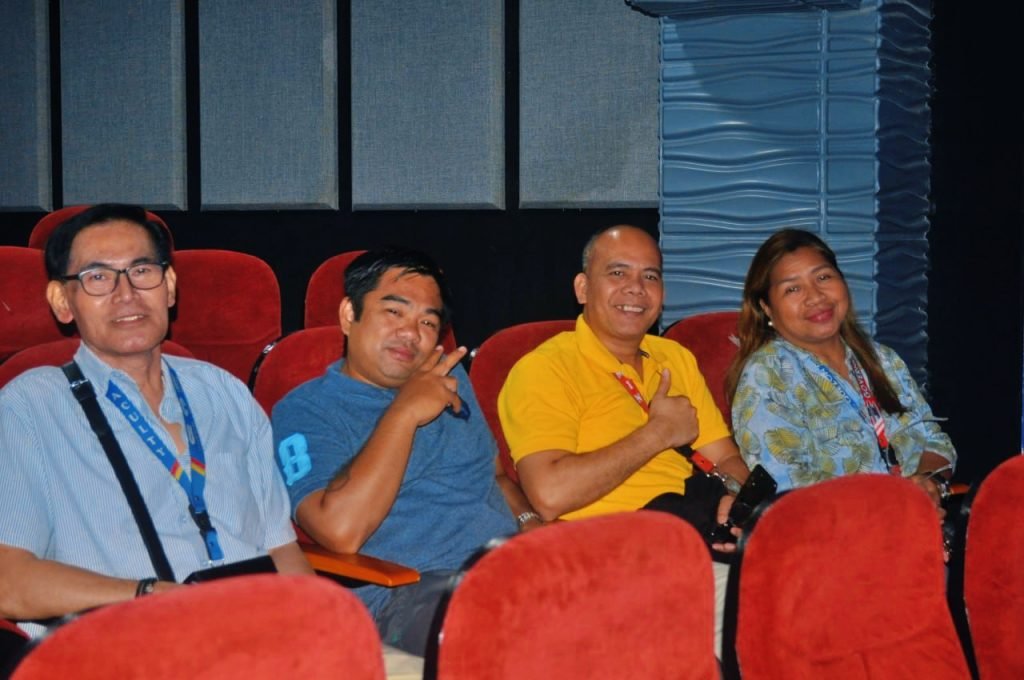
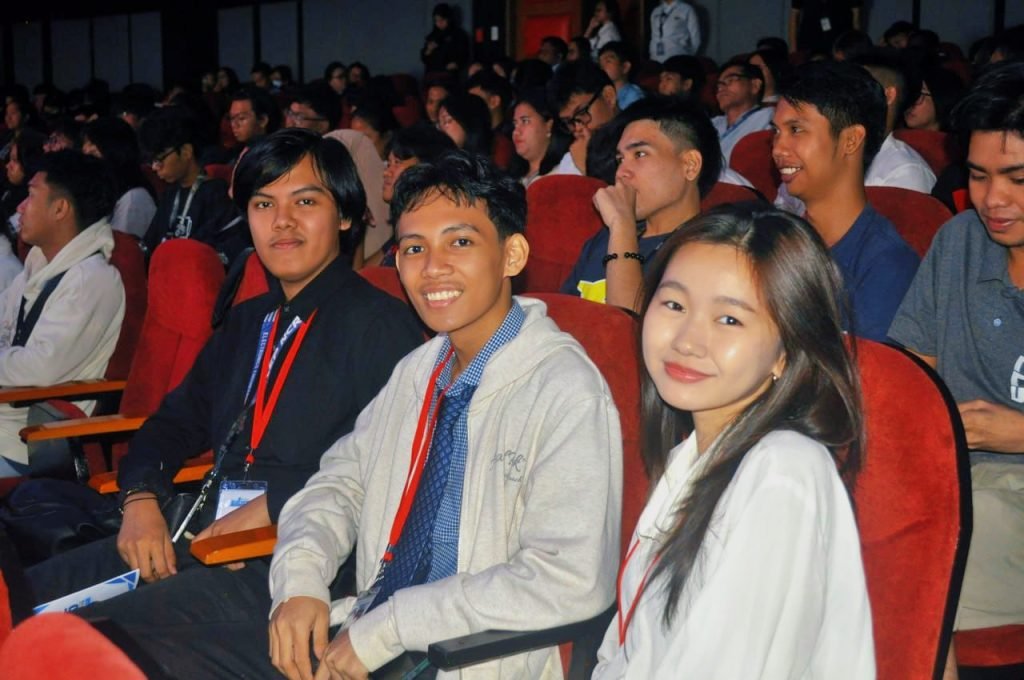
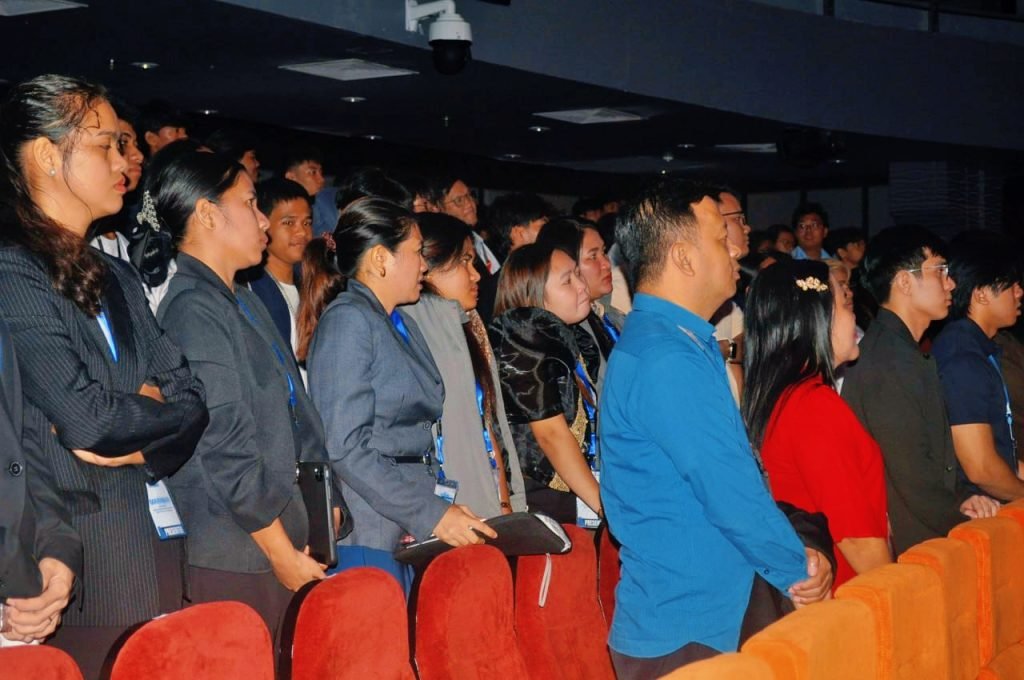
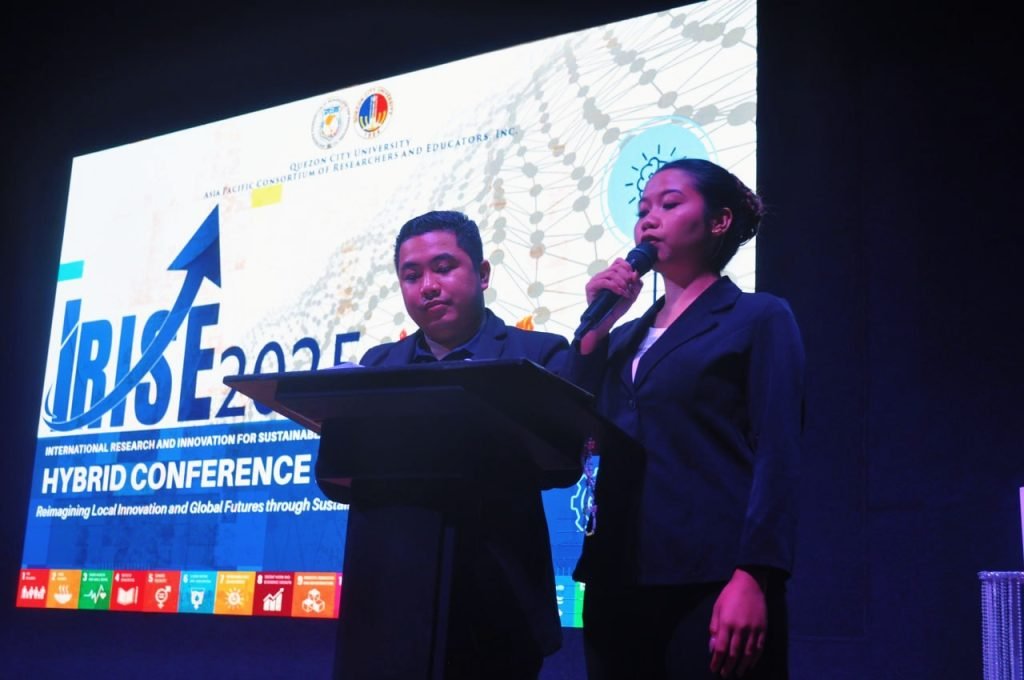

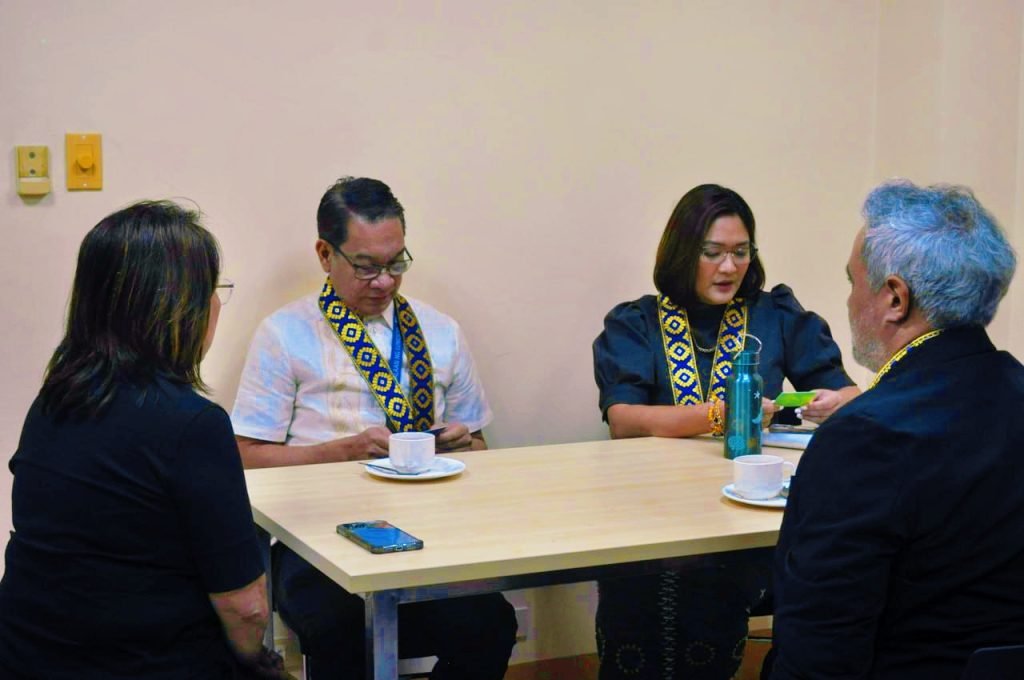
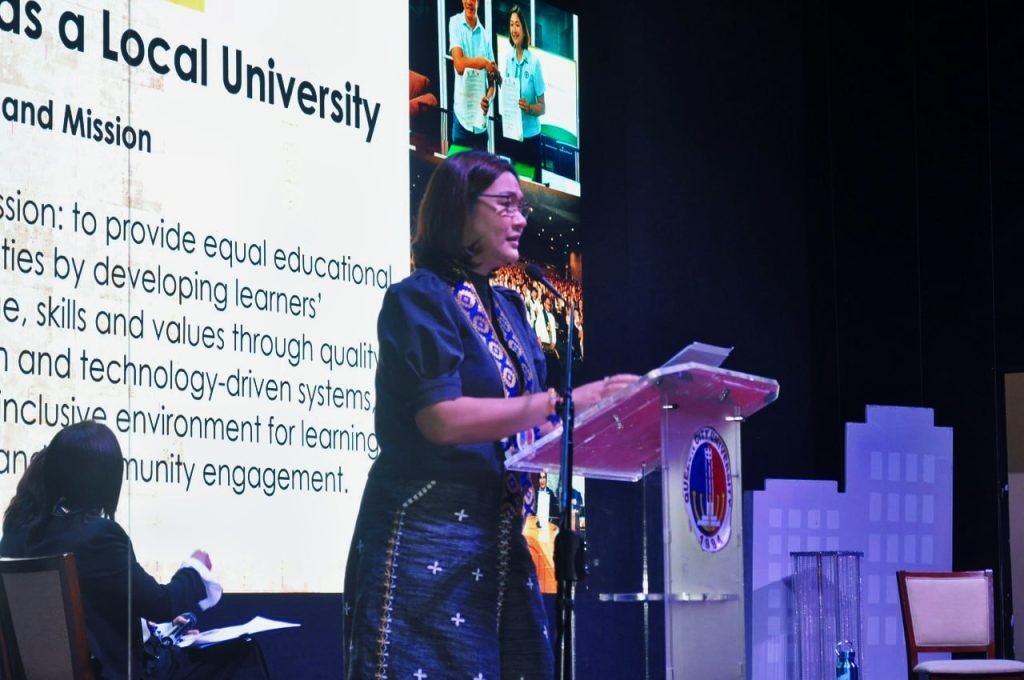
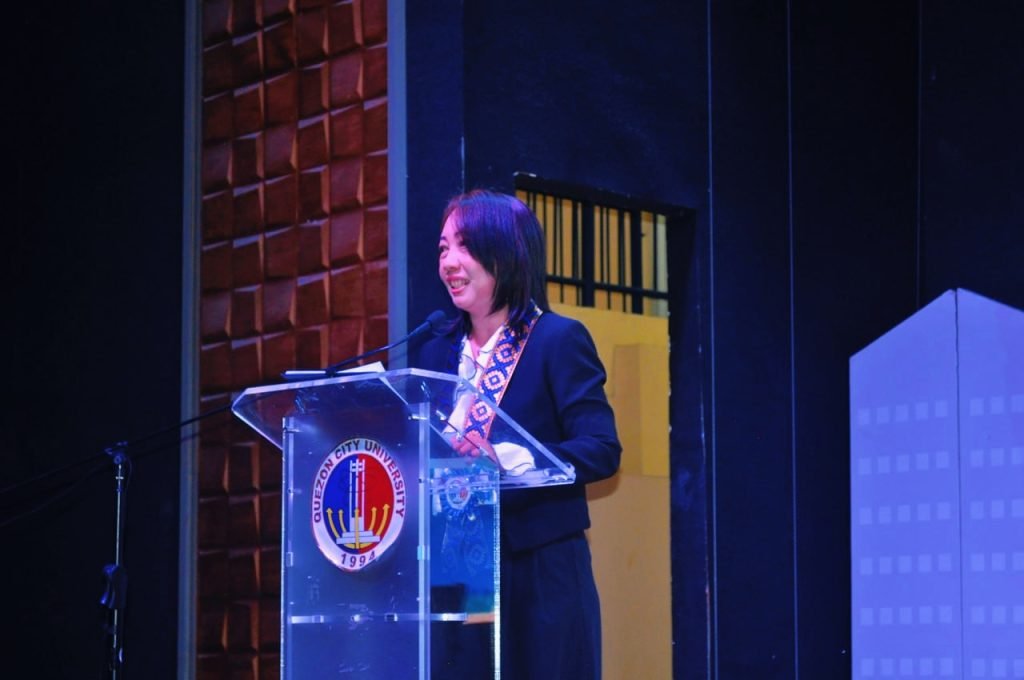
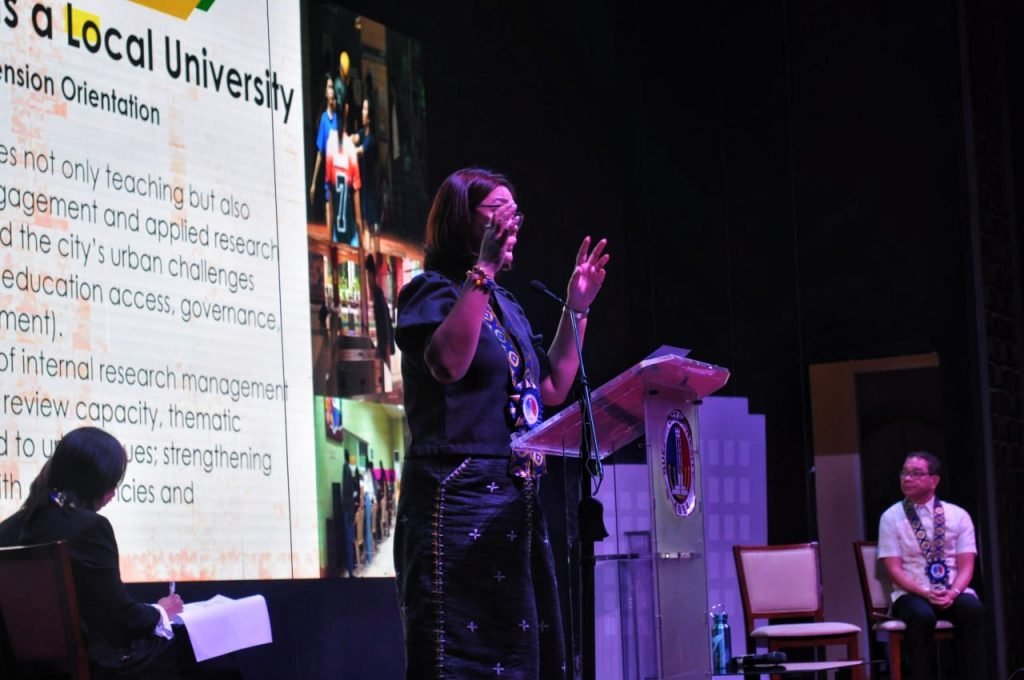

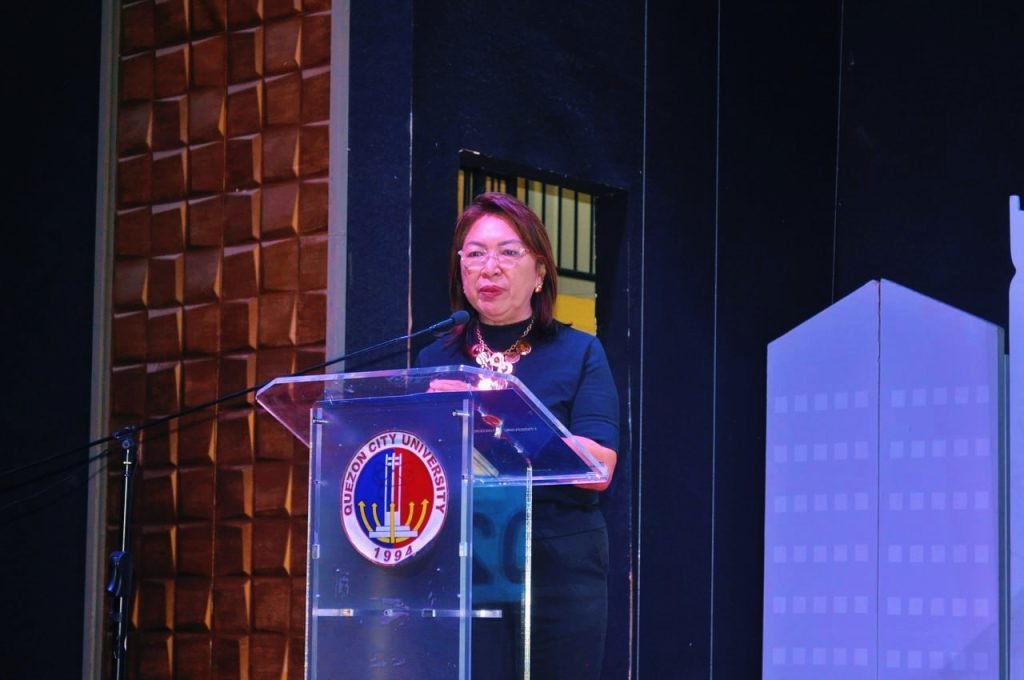
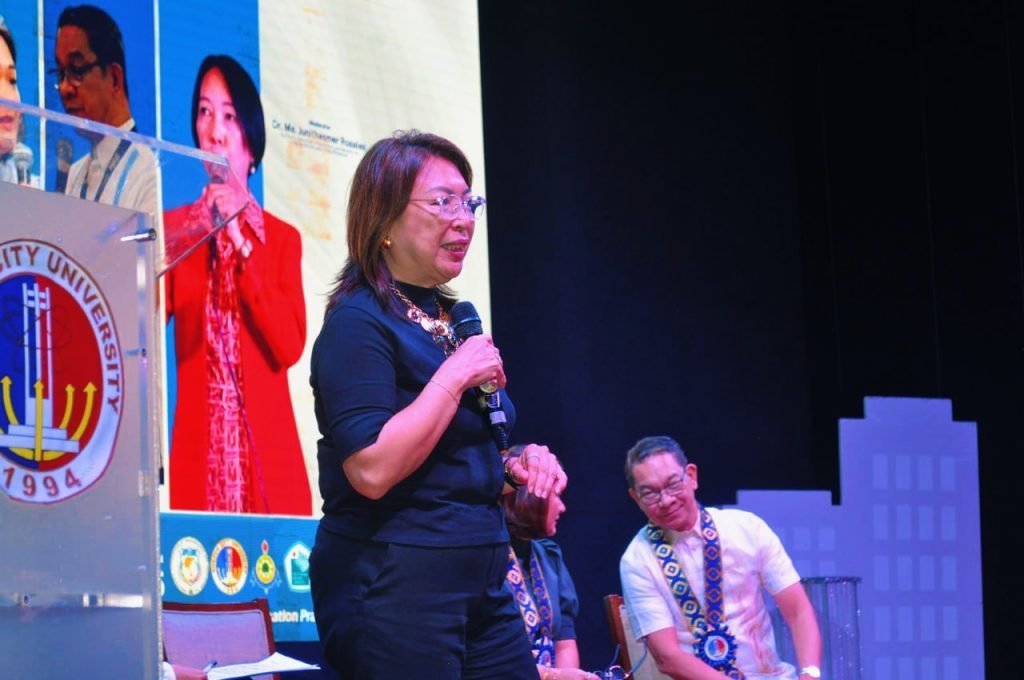
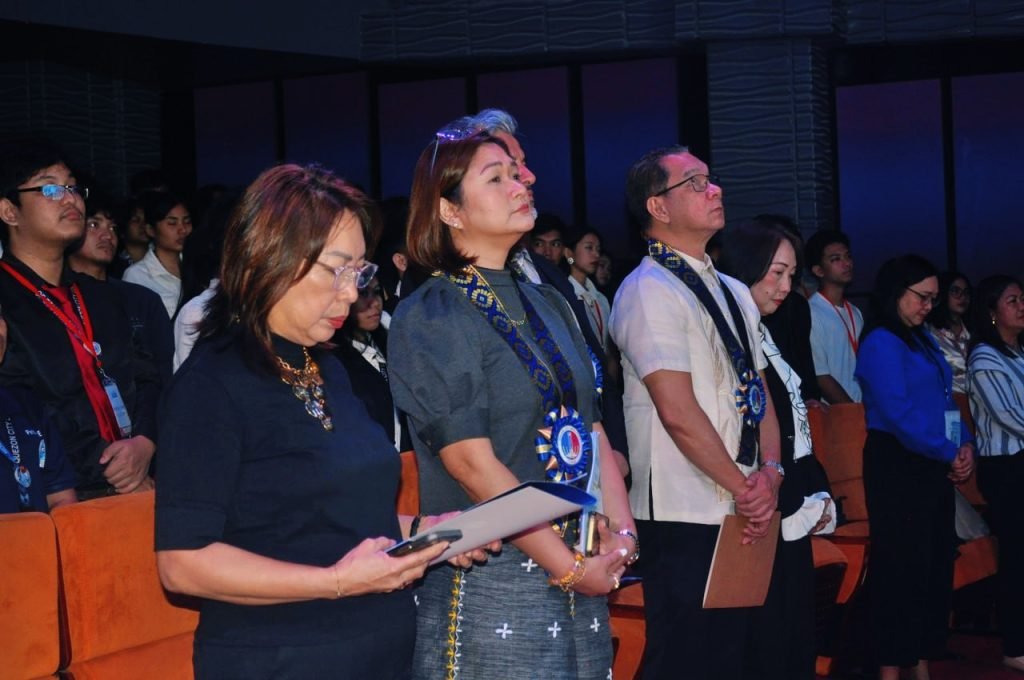
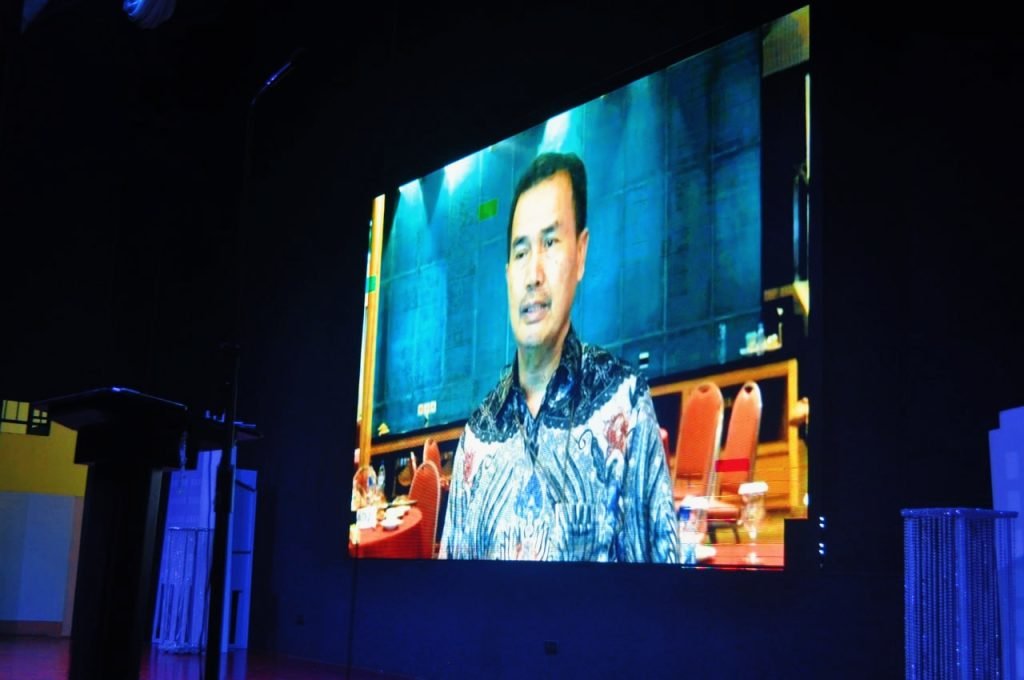

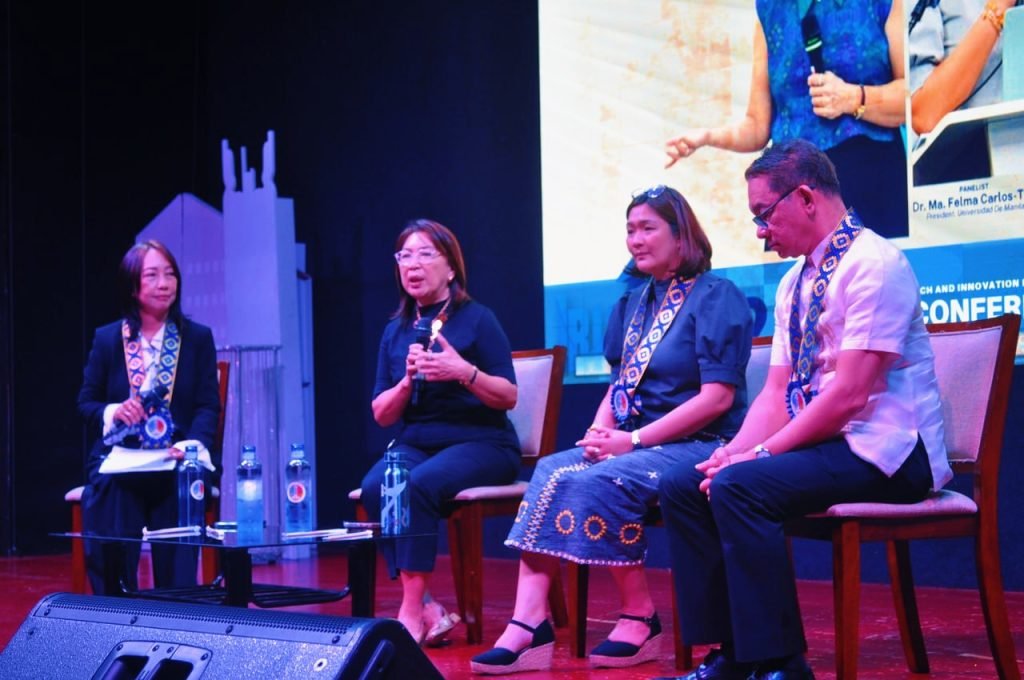
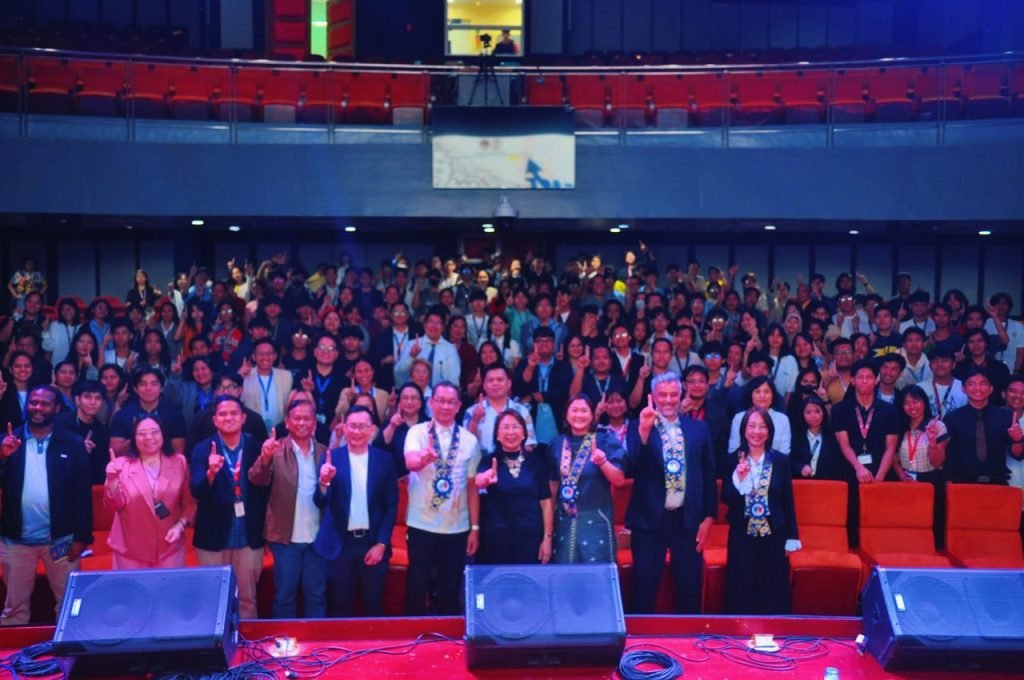
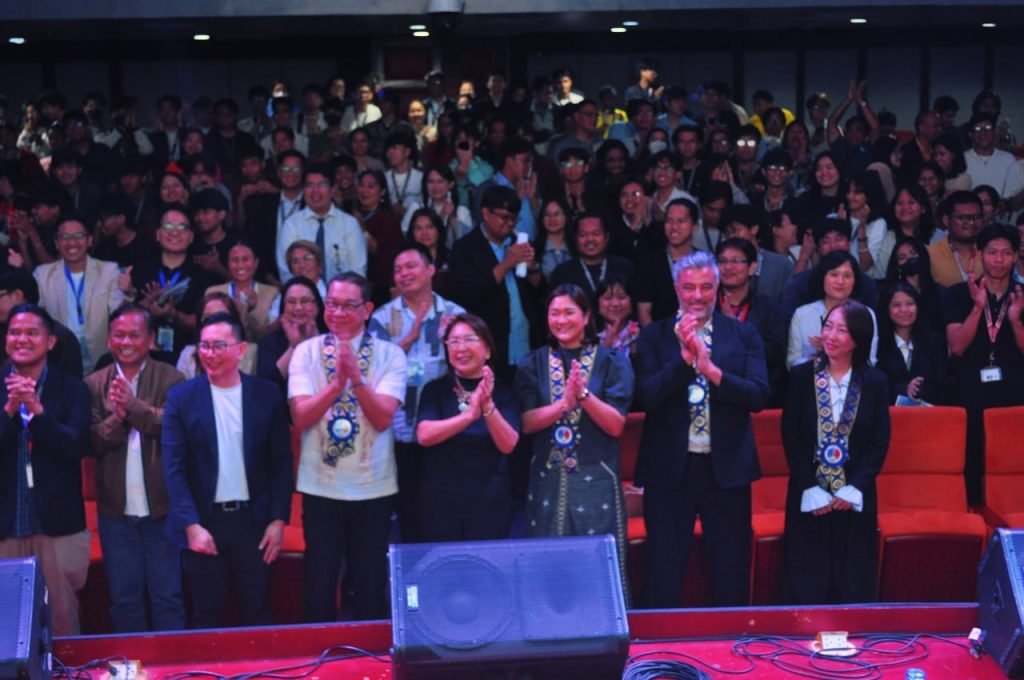
Local university leaders gathered at Quezon City University (QCU) for the first HEIx Roundtable Discussion during the International Research and Innovation for Sustainable Education (I-RISE) 2025 on November 28, 2025, a platform exploring the current status, challenges, and prospects of research and extension in higher education.
Moderated by Dr. Ma. Junithesmer Rosales of Asia Pacific Consortium of Researchers and Educators, Inc. and the Polytechnic University of the Philippines, the roundtable discussion brought together Dr. Theresita V. Atienza, QCU President, Dr. Ma. Felma Carlos-Tria, President of Universidad De Manila, and Dr. Glicerio M. Maningas, President of Pamantasan ng Lungsod ng Pasig to discuss and share their insights pressing issues, including structural and resource constraints, limited research funding, heavy faculty workloads, gaps in research training, and the growing role of digital technologies in advancing research.
To open the discussion, Dr. Theresita V. Atienza, President of QCU, posed a thought-provoking question to educators and researchers, urging them to rethink their approach to innovation, while likening the research journey to wave surfing.
“When we go wave surfing, we have to observe the wave and wait for the exact moment. When that moment comes, we must be ready—and then we ride that wave,” she said. According to Dr. Atienza, researchers must not only spot emerging opportunities but also equip themselves to respond boldly and intelligently.
She also emphasized that building a sustainable and resilient research culture requires long-term commitment rather than overnight success. Citing the well-known 10,000-hour rule, she explained that mastery of research is rooted in patience, consistency, and a growth-oriented mindset.
“You expect 10,000 hours of trying and doing research to become excellent at it,” Atienza said. “To reach that point, we must cultivate a mindset that welcomes new ideas and innovative ways of thinking.”
She also stressed that QCU’s research development initiatives must extend beyond faculty and staff. With the university’s growing emphasis on innovation, the QCU President highlighted the need to invest in student researchers who will eventually lead community-centered breakthroughs.
“While we are supporting faculty and staff to do research and innovate, there has to be parallel support for students,” she noted.
Another panelist, Dr. Ma. Felma Carlos-Tria, President and Chief Academic and Executive Officer of Universidad de Manila (UDM), shared a candid reflection on her institution’s research and extension journey. She discussed UDM’s historical challenges, institutional reforms, and the resilience of its academic community in overcoming obstacles as a local university.
Dr. Tria emphasized that research must directly address the city’s most pressing concerns, citing public health, youth development, and the creation of sustainable communities as key priority areas.
“Our research and extension programs must address the real needs of Manila residents,” she stated, highlighting the university’s commitment to socially responsive initiatives.
She also spotlighted UDM CARES (Crisis Aid, Relief, and Economic Security), an umbrella program that mobilizes different colleges to implement projects grounded in actual community needs.
“Through UDM CARES, each college contributes to programs that make a meaningful difference in our communities,” Dr. Tria explained. Her presentation concluded with a call for stronger collaboration between local universities and national partners to enhance the impact and reach of research and extension initiatives.
Completing the HEIx Roundtable panel, Dr. Glicerio “Reggie” M. Maningas, President of Pamantasan ng Lungsod ng Pasig (PLP), shifted the discussion to the human dimension of research. He emphasized that numbers alone cannot fully capture the realities of communities and stressed the importance of grounding research in people and place.
“If you’re really interested in knowing the story of your own people—your own community—you might be interested in research and extension. It’s about human stories, not just numbers,” Dr. Maningas highlighted.
However, he cautioned that data often becomes the primary focus of research, causing scholars to overlook the individuals behind the figures.
“There is more beyond numbers. These are human faces and human stories. Research should always be rooted in the people, the community, the city, and the real needs of the place we serve,” he added, calling for a more empathetic and socially responsive approach to academic inquiry.
Dr. Rosales moderated the open forum, where the panelists collectively emphasized the importance of inter-university collaboration, sustained support for research and extension programs, and a strong focus on community-centered initiatives. They underscored that higher education institutions must anchor their efforts not only in innovation and academic excellence but also in the real needs and stories of the communities they serve.
The HEIx Roundtable, a flagship conversation platform of I-RISE, serves as a collaborative space where leaders of higher education institutions share insights, challenges, and forward-looking strategies to strengthen research and innovation ecosystems across the country.
Photo Credits: Bia Dilig
#1QCU
#QCURise
#QCUWeRISEtogether
#APCORE
#QCUxAPCORE
#IRISE2025
#HEIxRoundtable
#SustainableEducation
#IbangKlasesaQCU